
Baby toys that help little hands and feet grow strong.
Perfect for babies aged 3–9 months who love to grab, kick, and explore.
- Add to Wish List
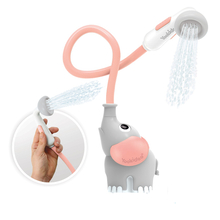
![Elephant Battery-Powered Baby Shower Set, Pink]()
![Elephant Battery-Powered Baby Shower Set, Pink]() Elephant Battery-Powered Baby Shower Set, PinkGreat for having fun in the shower or the bath.40.33 €In stock. Delivery in 1-2 business days.
Elephant Battery-Powered Baby Shower Set, PinkGreat for having fun in the shower or the bath.40.33 €In stock. Delivery in 1-2 business days. - Add to Wish List
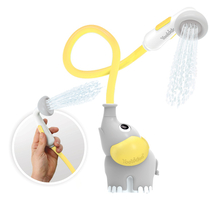
![Elephant Battery-Powered Baby Shower Set, Yellow]()
![Elephant Battery-Powered Baby Shower Set, Yellow]() Elephant Battery-Powered Baby Shower Set, YellowEnjoy bath time with this cute and fun elephant shower.40.04 €In stock. Delivery in 1-2 business days.
Elephant Battery-Powered Baby Shower Set, YellowEnjoy bath time with this cute and fun elephant shower.40.04 €In stock. Delivery in 1-2 business days.
Baby toys that help little hands and feet grow strong
Hands and feet are some of the most fascinating “toys” your baby has. They’re always within reach, endlessly entertaining, and the starting point for almost everything your child will learn to do. From swinging their legs out of bed and taking the first steps of the day, to putting on their jammies and brushing their teeth at bedtime, little hands and feet are busy all day long.
As adults, we barely think about reaching for our morning coffee and coordinating the movement so we don’t miss. Usually, it’s only when a sore knee or a sprained finger gets in the way that we truly appreciate being able to run, jump, zip up a jacket or show off our dance moves.
Your baby has to learn all of that from scratch. The very first step is discovering they even have hands and feet. Wow! For quite a while, your baby’s own hands and feet may be the very best toys of all, giving even flashing, musical favourites from brands like VTech and Bright Starts a run for their money.
When do babies start reaching for toys?
From around 4 months, your baby will begin reaching out for things that catch their attention. At first, whether they actually manage to grab them is a bit hit and miss. But with plenty of practice, hand-eye coordination improves — and suddenly your baby can catch that exciting toy on the play mat… or your hair. Ouch!
If your baby loves to hold or fiddle with something while you’re breastfeeding or bottle-feeding, a nursing necklace can be a lovely solution. It’s designed for little hands to grip easily, without pinching or pulling in ways that hurt you.
Once your baby starts reaching for and exploring objects, a whole world of fun and educational toys opens up. You’ll find baby toys with clear contrast colours and simple designs that are easy for your child to understand — as well as toys that spark curiosity and invite little ones to explore, chew, pull strings and press buttons while practising their fine motor skills.
How do I use action songs with my baby?
What are action songs, you might be wondering? They’re songs or nursery rhymes you sing while enthusiastically acting them out with your fingers, arms, legs — or even your whole body. By adding movements and simple signs, even babies who don’t have words yet can start to “sing” along and join the fun.
In much the same way, you can use baby sign language to support communication between you and your child. Watching those tiny hands try to copy the actions is adorable — and it’s a lovely way to support both gross motor skills and finger dexterity at the same time.
Baby feet: stimulate your baby’s tactile sense through their toes and feet
We often focus on what our children can do with their hands. We cheer our little ones on as they reach for toys, work on their pincer grasp, and eventually learn to write letters. Meanwhile, little feet tend to be forgotten — tucked away in socks and shoes, only noticed when it’s time to size up. And that’s a shame.
In fact, feet have just as many muscles and nerve endings as hands. We simply get used to using them for very little besides carrying us around in more or less comfy footwear.
At Toy Academy, we love encouraging sensory play for little feet. Let your baby explore and play with their feet as often as possible, and wait with that first pair of shoes until your child has learned to walk.
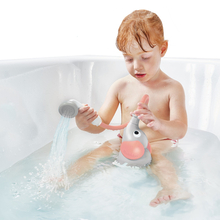
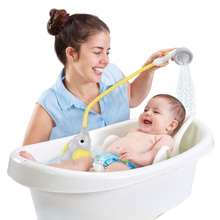
Let your baby feel water on their feet in the bathtub or at the beach, where it’s great fun to bury hands and feet in the sand and watch them disappear… and pop up again. Peekaboo! Sensory play is good for your baby (and for you too), so don’t be shy about joining in.
It’s healthy for both children and adults to walk barefoot on lots of different surfaces, like grass, pebbles, soil, forest floors, or splashing through a puddle. Even though babies aged 3–9 months aren’t taking their first steps yet, you can still stimulate their tactile sense through their feet. Play foot to foot, or gently roll sensory balls and textured toys across the soles — it’s a lovely way to wake up those tiny toes.
Make handprints and footprints with your baby
Would you love to capture your baby’s tiny hands and feet in clay, plaster or paint — and save the prints in a baby book or display them at home? At Toy Academy, you’ll find self-hardening clay, Silk Clay (which doesn’t stain) and finger paint, all offering lovely ways to create handprints and footprints with your little one.
Ages 3–9 months are perfect for making handprints and footprints. It’s a fun sensory experience for your baby — and, with a bit of luck, you’ll manage to stop them before they crawl off around the living room covered in clay or paint.
If your baby isn’t a fan of having hands or feet pressed into clay, finger paint is a great alternative. And if your little one has started solids, you can even use a pickled beet or a handful of blackberries. The colour appears all by itself, and then all you need to do is stamp their hands onto a piece of paper.



Login and Registration Form