Greener Choices: How Toy Academy works for a more sustainable future
With our sustainability strategy Greener Choices, Toy Academy wants to make it easy for you to choose more sustainable toys. Read along here and start choosing greener toys today.
Today, we tend to think of play as something separate from learning and working. But if we look back in history, the idea that play and learning are two different things is actually quite new.
When something feels like play, it sparks curiosity, focus, and attention — and we learn faster. Play is essential when it comes to creating new ideas and solutions.
The wheel wasn’t invented because Stone Age people sat around the fire thinking really hard. It came about through play. After all, things that roll are fun — they most likely thought so too.
Learn more about why the play enthusiasts at Toy Academy believe that play plays a starring role in children’s desire to learn.

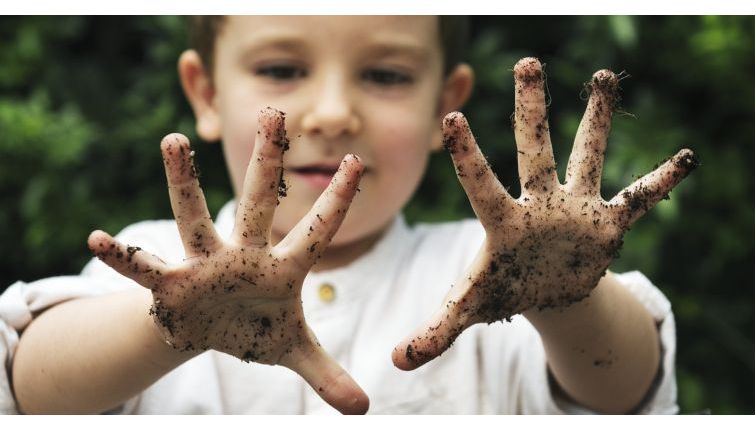
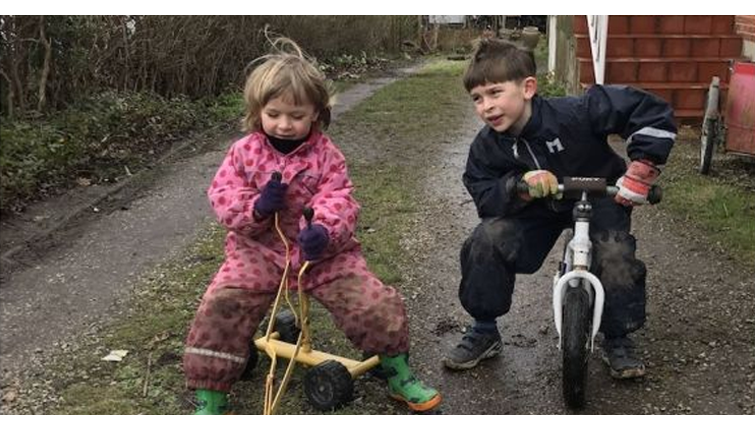
When you grow up with Toy Academy, you’re allowed to get absolutely filthy when you play. You’re even allowed to put mashed potatoes in your ears. Want to know why? Then read along here.
At Toy Academy, we’ve learned a lot over the past few years, and we believe knowledge is meant to be shared. So in this blog series, we’re opening the doors to our own world of play. We’ll show you some examples of what a typical childhood looks like at home with the Toy Academy play enthusiasts - AKA our lovely team of toy-loving fellow parents. Maybe you’ll feel inspired. Maybe you’ll be shocked. Maybe you’ll be curious to learn more or even share what childhood is like in your own home. Read along and learn something new, about growing up in Denmark and about yourself.
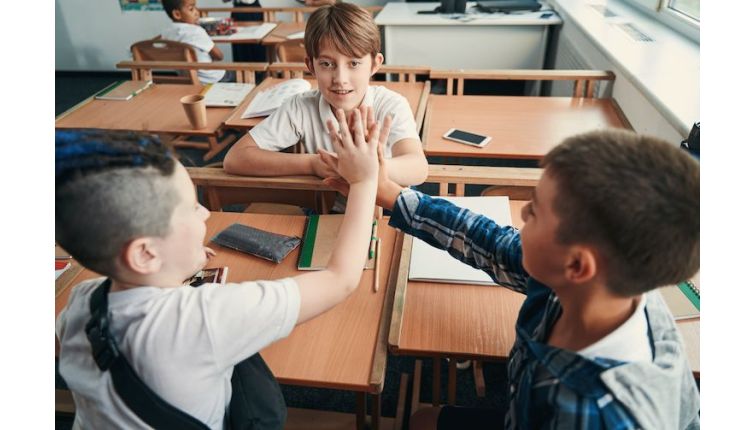
Has your big little preschooler just started school? Maybe you feel like the distance between you has suddenly grown. Don't worry, that's completely normal.
In this blog post, you'll get our tips for making your child's first while at school even more special, and for helping you feel closer to your little one as they take this exciting new step.
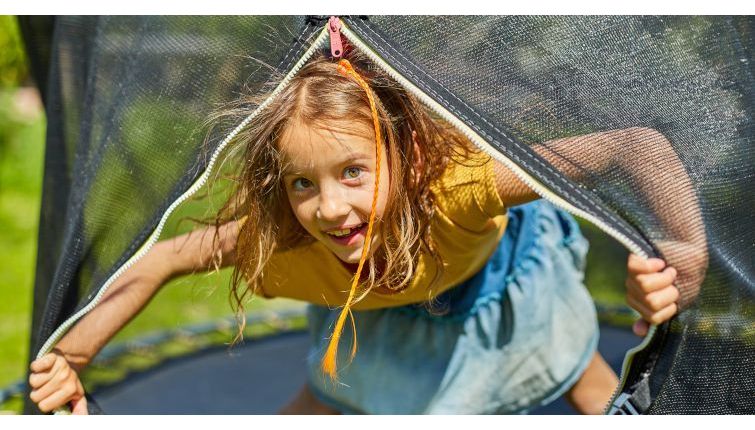
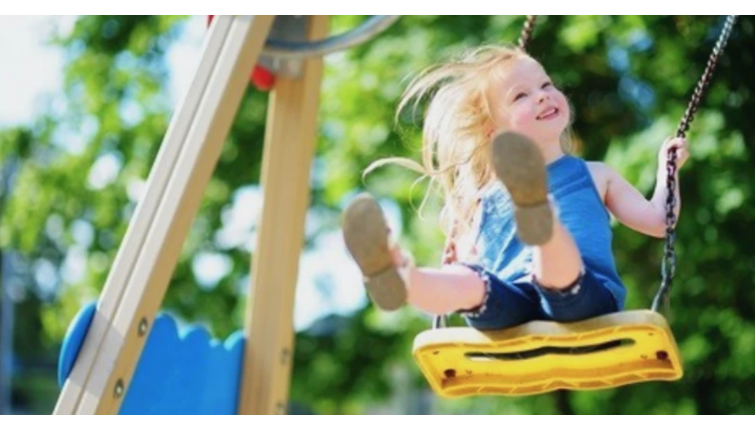
The vestibular sense is one of the key senses in children's sensorimotor development. It lays the foundation for your child’s growth, and it’s actually an easy sense to stimulate. It can even be super fun. Keep reading and get our best tips on how to give your child’s vestibular sense a playful boost.
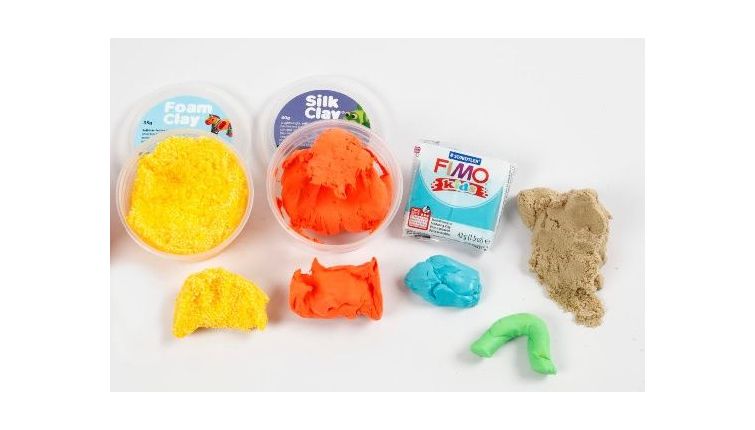
Clay, modelling sand, and playdough. They are so satisfying to squeeze between your fingers, fun to sculpt, and offer endless ways of playing.
But which one should you choose? What is the difference between Pearl Clay and FIMO clay? And what is Silk Clay made of? If you read along here, you'll learn more about the different varieties that are all brilliant for stimulating your child's fine motor skills, tactile sense, and creativity.
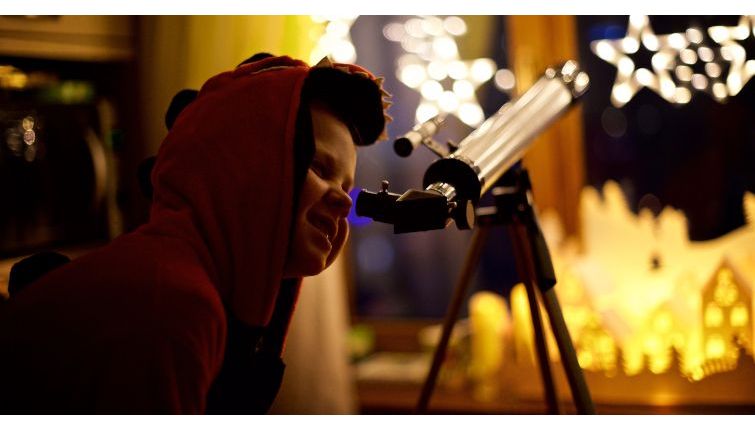
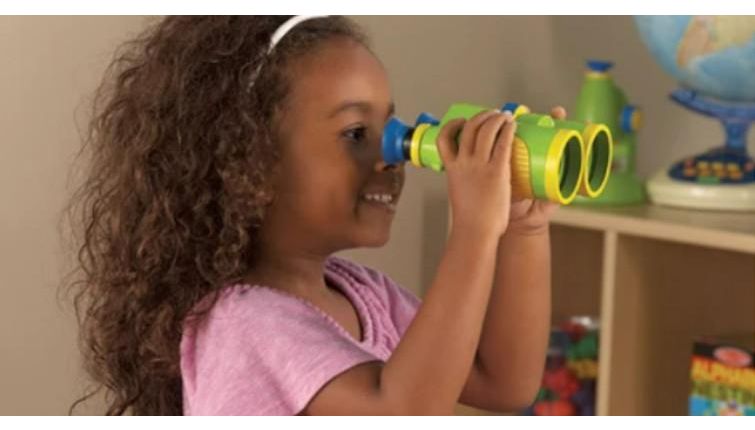
A telescope opens the door to fascinating stargazing and space exploration experiences and helps both kids and adults learn about astronomy. But how does a telescope actually work? Is higher magnification always better? Which of our children’s telescopes is the right fit for your family, and how do you even focus a telescope properly?
Learn about children's telescopes in our handy guide right here.
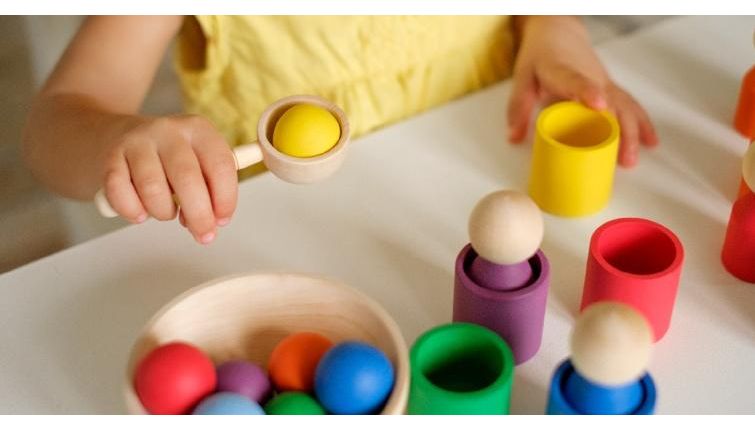
Have you heard of the Montessori method? It’s an educational approach where children learn through free play, guided by clear boundaries but without constant adult interference. Montessori has actually been around for a while, but we still find the idea refreshing and have learned lots of new things from the principles. Read and learn with us in this post.
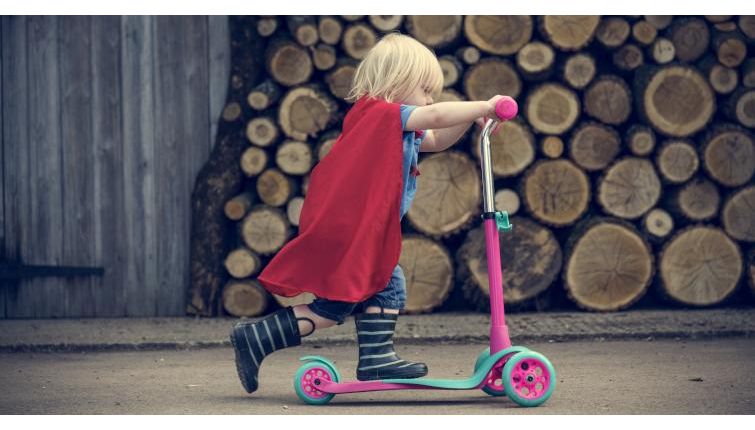
Trying to choose the right scooter for your child can feel like being served a big bowl of decision soup. There are so many options and features to choose from and so many things to consider. Two or three wheels? Commuter model or trick scooter? Inflatable tires or solid wheels? And what does it all mean? Don't worry, we'll walk you through everything right here.
STEM is an approach to learning science that has curiosity and real-world problem-solving at its core. With STEM, the usual boundaries between science, technology, engineering, and math melt away, and children are invited to be at the centre of their own learning. After all, kids learn best when their own experiences lead the way.
You can read more about all that right here.
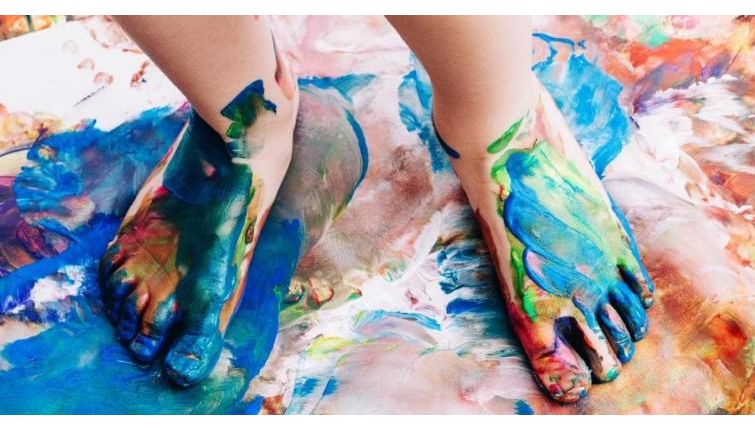
The tactile sense sends messages to the brain about all the sensations our skin detects. The brain then decides whether those sensations, for example tickles, hugs, heat, cold, or having a boo boo blown on, feel comforting or threatening.
Does your child have strong reactions to hugs, getting dressed, bath time, or other kinds of touch? If so, this post will help you understand the tactile sense, what your little one is experiencing, and how to help them.
Login and Registration Form