



A peek into Danish childhood with the ToyAcademy team - Part 1
As we mentioned in the introduction to this blog series, some of ToyAcademy's Danish play enthusiasts will be sharing stories from their family lives, their thoughts on childhood, and what it's like to grow up in a ToyAcademy household in Denmark.
Here’s the first post. The topic is something we feel quite strongly about - or maybe not strongly at all, depending on how you see it: our wonderfully relaxed attitude towards muddy, messy kids.
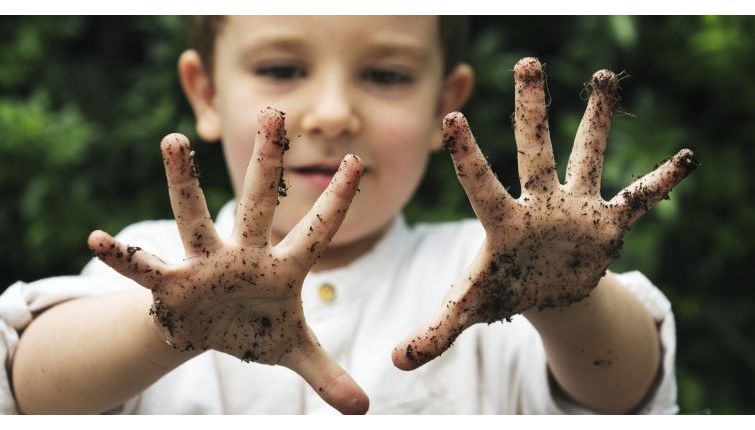
Our children get filthy
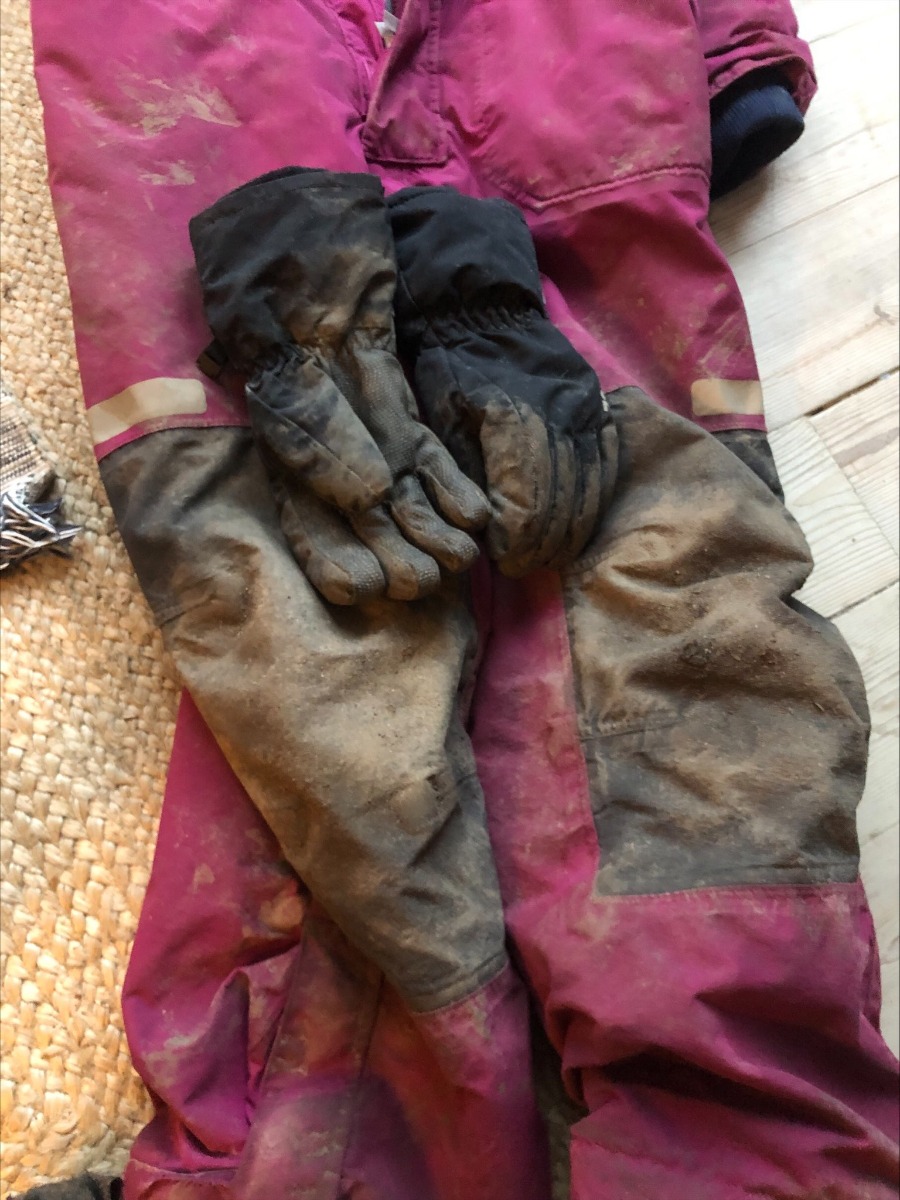
Nope, we don’t just mean a dab of jam on the upper lip or a bit of dirt under the fingernails. When our kids come home from daycare, preschool, or school, their outerwear is so stiff with dried mud it could practically walk itself to the washing machine. Washing raingear, snowsuits, and winter boots is a near-daily ritual around here. Many children have two sets of outerwear and shoes, so they can wear one while the other is in the wash.
Denmark has 5 months: November, November, November, November, November, then June, July, August, September… and three more Novembers. It’s wet. It’s cold. It’s rainy. It’s windy. That’s part of the reason why our kids are so gloriously muddy - come rain or shine (or sleet, wind gusts, or sideways rain), Danish children play outside every single day at daycare and school.
Danish kids have dirty toes
Even when our short burst of summer rolls around and the mud lets up (if we’re lucky), our children still manage to get wonderfully messy: shoes are left behind somewhere in the hallway, and little feet run wild through grass, mud, puddles, and playgrounds and along dusty paths and sandy beaches. Filthy feet are part of everyday childhood fun, and they’re signs of a day well spent.
And summer is sunscreen season - children slather it on at school and daycare (sometimes all by themselves), which turns them into sticky little dust magnets.
It’s not uncommon for a teacher or caregiver to start a spontaneous water fight with the kids, so an extra change of clothes is a must in summer (no guarantee it’ll stay dry, though). By the time our kids come home, they’re often carrying two sets of soaked clothes, lots of sand and dirt in their hair, grass stains on their knees, and the dirtiest toes you’ve ever seen. That’s how we parents know they’ve had a great day.
As the old Danish saying goes, “you should eat seven pounds of dirt a year for good health”. Although we don’t take it literally, of course, most of us Danish parents like to live by the wisdom behind those words. A sprinkle of sandbox sand or a few stray ants in our children’s lunchboxes don’t bother us.
In ToyAcademy households, and many other Danish homes, babies are encouraged to dive right in (literally) and feed themselves from around six months old. Sure, more porridge will probably end up in their ears than in their mouths, but we believe little ones learn to eat on their own a lot faster when they get to use their fine and gross motor skills, and all their other senses, to explore the food and figure out how to put it in their mouth.
It’s unbelievably messy, but it works - many Danish toddlers are using cutlery before they turn 2, and very few children are spoon-fed after they turn 1.
Needless to say, baths are part of the daily routine, and we’re all deeply grateful for our hardworking washing machines who deserve medals for their service.
Where does our laid-back attitude towards dirt come from?

It seems that many Danish parents see muddy clothes, sticky bodies, and dirty toes as signs of curiosity, confidence, and well-being. The dirtier our children are, the more we know they’ve been out exploring the world and themselves. Dirt means their bodies, senses, and imagination have all been at work.
It’s funny when you stop to think about it. Why do we associate dirt with well-being?
A love of fresh air and outdoor play
In Denmark, we have a deeply held cultural belief that playing outside and getting plenty of fresh air is good for children. We don’t often talk about why we have this shared belief, and it’s not based on scientific explanations. It’s just something we believe and something we have agreed on for generations. Of course, when you play outside you’re bound to get dirty. That’s just part of the deal.
Many Danish parents choose daycares and preschools based on how much time the children spend playing outside each day. We even have so-called nature preschools, where the children spend all day outdoors, year round and no matter the weather - even on rainy, frosty, or stormy days. Outdoor childcare programs are said to make children smart and resilient. Maybe they do, even though in reality, the children are sometimes soaked and shivering in the forest. But then they learn to jump up and down to stay warm, their cheeks turn rosy red, and we adults nod proudly and keep holding on to our charming notion that fresh air and dirt build character and help children thrive.
Of course, modern life has complicated the concept of “fresh air”. Many Danish children now live in cities, close to busy roads and heavy traffic, where the air isn’t exactly fresh. Others live in the countryside in areas where pesticides drift through the air - not great for little lungs either. Maybe our love of fresh air comes from another time, back when large families lived huddled together in tiny homes with truly awful indoor environments, heated with smoky coal stoves. Back then, the air outside definitely was better for children.
Denmark was once a nation of farmers, and it made sense for children to play outside alongside the working adults. Even tiny babies spent a lot of time outdoors - they still do, because almost all Danish babies nap outside in a pram from day one in all kinds of weather. Bundled up and with a baby monitor nearby, of course, so we can hear them when they wake up. We believe fresh air is good for babies too, whatever the actual air quality might be.
Today, most Danish children have their own lovely room to play in, and our homes are cosy and well-ventilated. But still, we cling to our fresh-air ideal.
No one has ever really challenged our cultural belief that outdoor play, dirty toes, and rosy cheeks equal happy, healthy kids. So, we stick to it, no matter what today’s reality may actually look like.
There’s a Danish saying for kids who are all hyped up and need to burn off some energy. We say they have “gunpowder in their bums”. You probably know exactly what we’re talking about - those times when children are about to burst with energy, ready to blast off like tiny rockets and run, jump, climb, go on adventures, and make some noise. And it would be a shame to confine that kind of joyful childhood chaos to indoor classrooms and play areas - it belongs outside, where there is room to roam and run wild.
Check out the rest of our blog series about Danish childhoods with the ToyAcademy team
If you’ve enjoyed this peek into Danish childhood, and would like to dive deeper into what hygge really means, what the witching hour is, and what it’s like to grow up in a ToyAcademy home, check out our next blog posts. You‘ll find the first post in the series here.
Check out part 2 "Play sparks children’s love of learning" right here.