



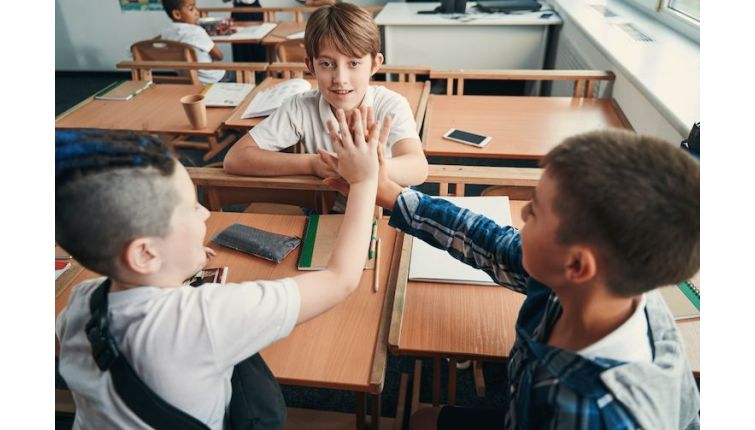
Danish children have plenty of freedom
As we mentioned in the introduction, this blog series brings together some of the Danish play enthusiasts here at ToyAcademy. They’re sharing their thoughts and stories about Danish childhood — along with little glimpses into what everyday life looks like for their own children. You can find Part 1 of the series right here. In this post, we’ll explore why we believe in giving children the freedom to play in their own way — both at home and at school.
Children learn best through play
It might sound a little surprising, but in Denmark it’s perfectly normal for children to spend most of their day in daycare or preschool — typically from around 8am to 4pm — starting as young as 10 months old. When they begin school at about age six, the school day usually ends around 2pm, and after that most children head to an after-school club or programme.
In many Danish families, this means children are away from home from around 7:30 in the morning until late afternoon, so both parents can work.
So what do they do all day? They play. A lot. And much of the time, they play together in groups. Sometimes it’s free play, with little imaginations leading the way. Other times, it’s gently guided by adults. Either way, play is a huge part of their day.
As parents, we love knowing that from the time they’re tiny, our children are spending their days with friends — playing, exploring, laughing, learning, and practising the skills they’ll need in life. They’re having fun. And when you’re a child, that really matters.
That same playful spirit carries into school. Fun and play are an essential part of how Danish children learn, rooted in a strong cultural belief that children learn far better through play than by simply sitting still and listening.
Keep reading, and we’ll tell you more.
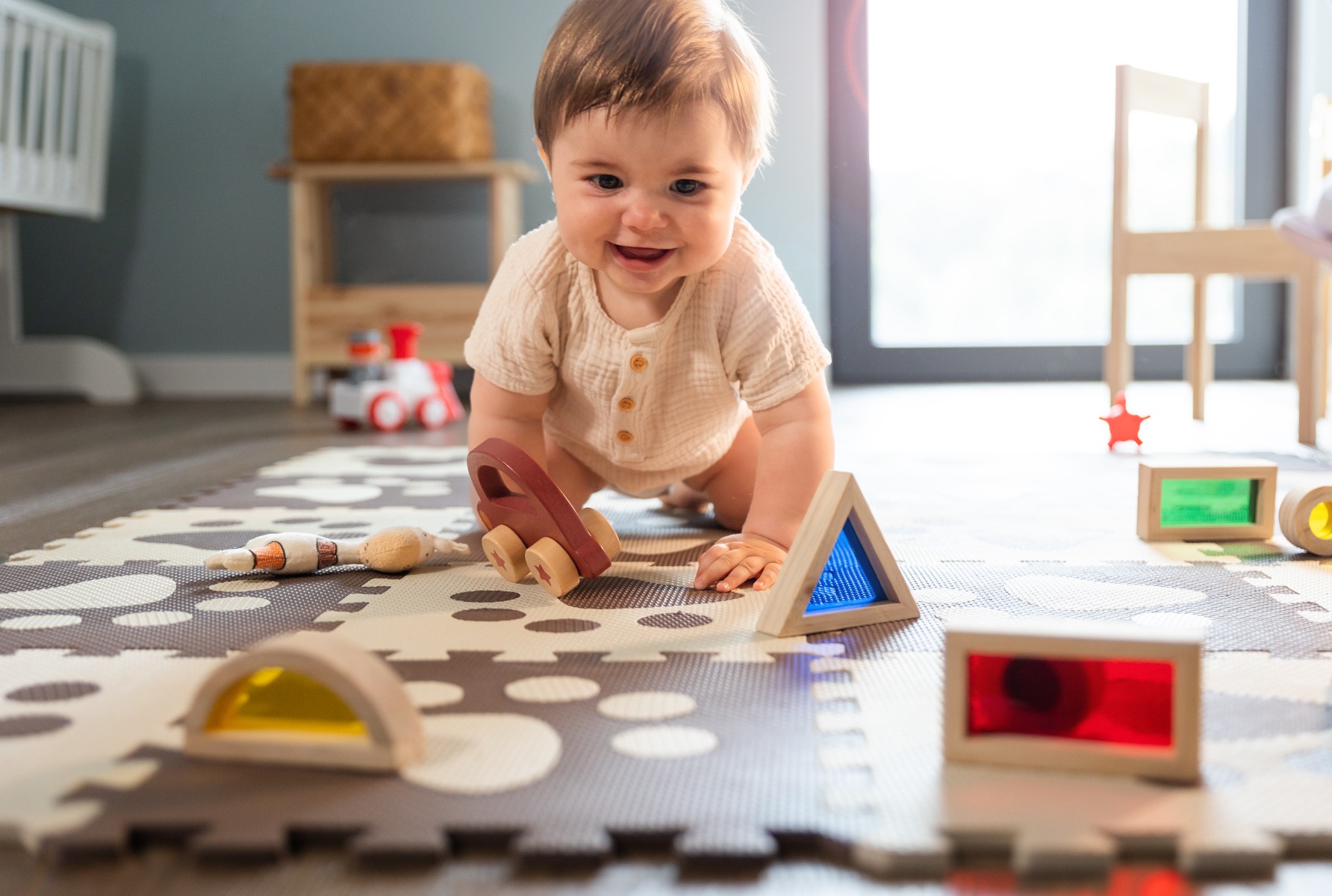
A day in a Danish daycare
It’s 3pm at a Danish daycare, and you’ve come to pick up your little one.
In one of the playrooms, a teacher is sitting at a table with nine children aged between three and five. They’re chatting away while cutting shapes out of paper. Your own child is nowhere in sight.
Suddenly, four tiny rascals come zooming round the corner, shouting “pew pew!” as they dramatically shoot you down with toilet roll tubes, dissolving into fits of giggles.
Outside on the playground, a group of children are throwing sand at the windows. You glance around for another adult to help you track down your child. But there’s only one — and he’s busy making sure the scissors are being used to cut paper, not hair, clothes, or curtains.
Clearly, he’s on an important mission.
You decide not to interrupt and head out to the playground instead. Out here, it’s pure, glorious chaos. Children race past on balance bikes and scooters. Some are perched high up in the trees, while others have somehow made it onto the roof of the playhouse.
Beneath a big willow tree, a group are carefully pouring water into buckets to make “hot mud chocolate” to sell in their shop. Everyone is shouting, laughing, negotiating, arguing — absolutely bursting with energy. The unmistakable soundtrack of childhood.
Finally, you spot your child behind a small hill, completely absorbed in playing house. The “family” is busy building an ant circus for the baby. As usual, your little one is the family dog.
At least, you think they are.
You can’t be entirely sure, because the game is top secret — and you’re definitely not allowed to know any details.
When you finally manage to track down an adult and ask what your child has been up to today — and whether they ate their lunch — you’re met with a cheerful grin and an honest reply:
“Oh, um… I’m not entirely sure, actually. But that’s good news, isn’t it? It means they didn’t need me, ha ha. No, it’s been a lovely day. We’ve played and… well, we’ve played. It’s been a good day. Thanks for today — see you tomorrow!”
And that’s that. Another day at daycare comes to an end.
A day like this captures everything we love at ToyAcademy: plenty of free play, exciting challenges to tackle, and new experiences and discoveries shared with friends. There may have been a few scrapes, bruises, and squabbles along the way. Perhaps lunch was dropped on the floor and never eaten. But that’s okay. It’s all part of learning and growing.
Even if we don’t know every detail of what our child has been up to, we do know one thing: they’ve had a great day.
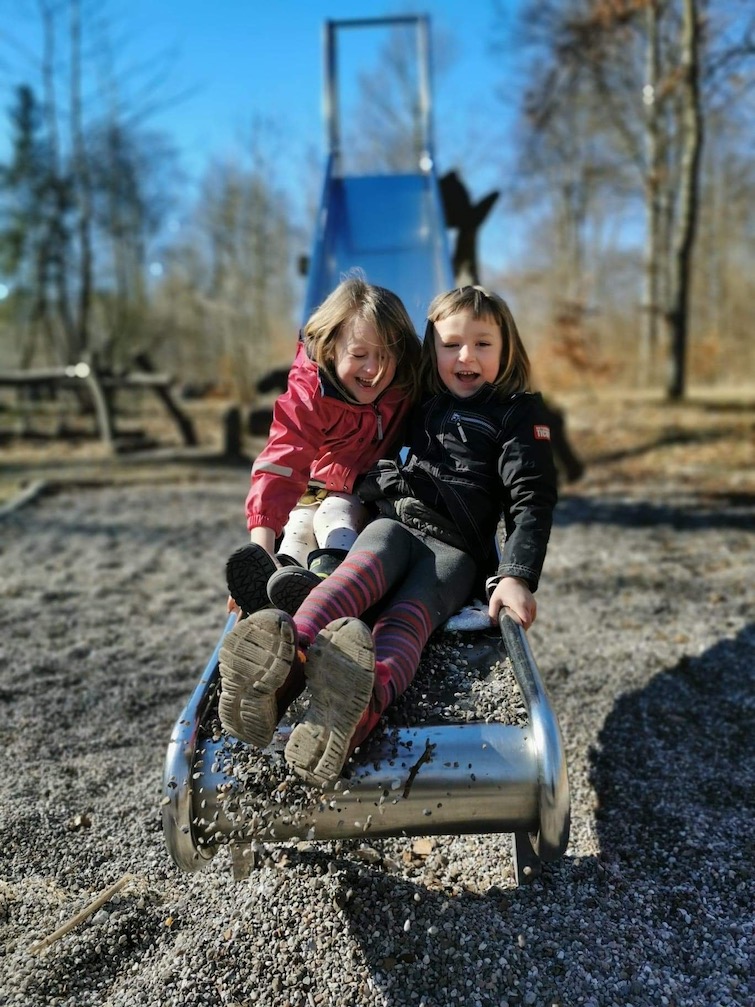
Free play is a big deal
In Denmark, free play takes up a large part of children’s day at daycare, preschool and school. Much of the time, children are free to decide for themselves what they want to play and how. We call it free play — or intuitive play — and it has been a cornerstone of the Danish approach to childhood since the 1970s.
Back then, we moved away from more traditional ideas about childhood — including the notion that children were “empty vessels” or “unfinished adults” who simply needed to be filled with knowledge that grown-ups already possessed. Instead, childhood came to be seen as something valuable in its own right: a time for curiosity, discovery and freedom.
From birth until they leave compulsory school at around age 15, free play is an essential part of Danish children’s everyday lives. Time is deliberately set aside each day for children to do almost whatever they like, without adult direction. The belief is that free play helps children grow into curious, confident and happy people. They need to figure things out for themselves, and they benefit from learning from one another.
Of course, adults are present — ready to patch up scraped knees and help resolve disagreements. But supervision isn’t especially strict, and it’s not unusual for playgrounds to be unfenced, meaning children could technically leave the school grounds if they chose to.
But they don’t — they’re far too busy building worlds, inventing games and getting wonderfully lost in play.
What do children learn from free play?
When children don’t have to worry about doing something “right” or “wrong”, they begin to find their own solutions — or even better, they start asking new questions. And that’s how we grow wiser as a society: not by knowing all the answers, but by asking questions we hadn’t even thought to ask before.
Free play is about discovering the rules, ideas, and possibilities for yourself as you go along. There’s no right or wrong way to play. You simply play — negotiating roles and rules, using your imagination, and working together to figure out what keeps the fun going.
Children who are given the space to play and be curious stay motivated to learn. We believe the strongest motivation comes from within — when children learn because they want to, not simply because an adult has told them to.
Children need to learn how to think for themselves and how to work together, not just how to be the loudest voice in the room.
Free play requires real effort. It’s demanding work. In many ways, it can be both more challenging and more valuable than simply following rules set by adults or achieving high test scores.
That’s one reason why Danish state schools don’t give grades until around Year 6, and there are no formal exams until Year 9, when students are about 14.
The thinking behind it is simple: we don’t want children to merely recite the “right” answers to questions set by adults. We want them to think independently, dream up their own ideas, and discover new ways of seeing the world.
The world needs fresh knowledge and new questions to keep moving forward — and it’s today’s children who will lead the way.
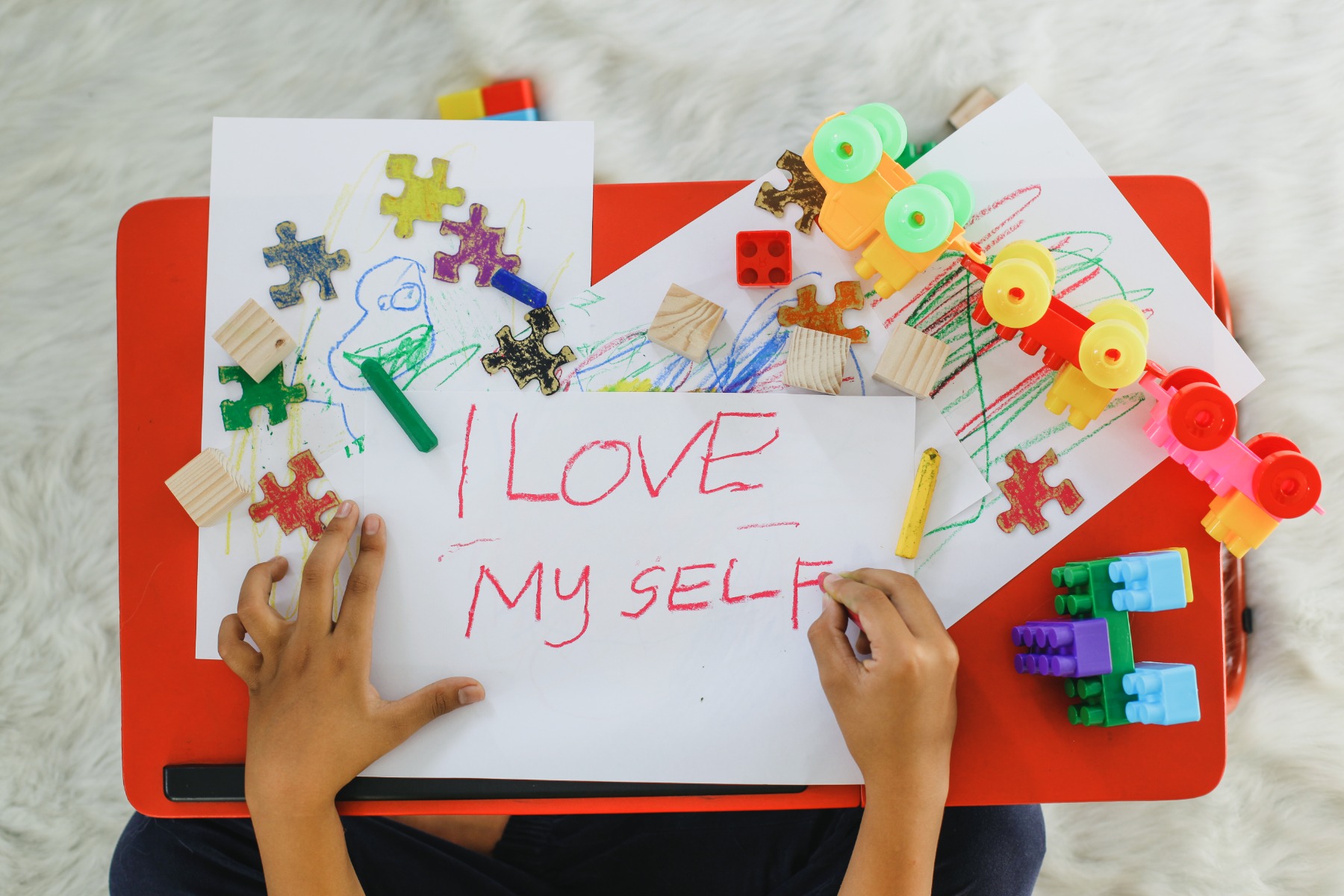
Social skills are just as important as schoolwork
In Denmark, clear educational standards are in place at every stage of childhood — from daycare and preschool through to school. These standards are set both nationally and by each individual school or childcare setting.
The standards and requirements don’t only focus on reading, writing, math, and science. They also emphasise social skills and independence. Learning how to be a good friend, show care for others, listen, and cope with losing a board game is just as important as learning to read, write, and count.
Children develop many of these social skills through free play — as long as they have the opportunity to play in an environment that feels safe and supportive. And that’s what every parent hopes for, of course: that their child’s daycare or school is a place where they feel happy, secure, seen, and ready to play and learn.
Free play is hard work (for children and adults alike)
Of course, not every child feels safe and happy at their daycare or school. There can be many reasons for that. In recent years, Denmark has seen significant funding cuts in public education and childcare, and more parents are choosing private schools and childcare settings as a result. In some places, there are simply too few adults for too many children.
And this connects directly to the idea of free play. When adults don’t rely on strict rules or tightly structured schedules, and children are encouraged to shape their own activities and learning, it requires a particular kind of attentiveness from teachers and caregivers to ensure that every child feels safe, seen, and supported.
Children develop a form of self-regulation through free play that involves treating one another with kindness, consideration, and respect — not because an adult has told them to, but because they understand that this is what makes play enjoyable for everyone.
But when the grown-ups are overworked, distracted, and unable to give enough attention to the social dynamics between the children, the magic of free play begins to fade. Without thoughtful adult support, free play can turn into a kind of “survival of the fittest”, where the louder or more confident children take charge and the quieter ones are left behind.
That’s why free play isn’t effortless — it requires commitment from both children and adults. In many ways, structured play with fixed rules is actually less demanding. And when there simply aren’t enough hands on deck, teachers may lean towards adult-led activities with clear boundaries, or more traditional sit-still-and-learn lessons.
For many of us, though, quiet, rule-bound classroom learning feels like a plan B.
Even if we don’t expect teachers and caregivers to give us a detailed account of everything our little ones have been up to when we pick them up in the afternoon, we still trust them to know whether our children are happy and thriving.
It’s a bit of a paradox, really. Perhaps it has something to do with the high level of trust that characterises Danish society — trust in our public institutions, our education system, and in one another.

Children learn in different ways
At ToyAcademy, we believe that children learn the life skills they need when we, as adults, help them feel safe and introduce them to the many exciting things the world has to offer. We can do this through toys, by giving children new experiences, or simply through everyday life – which, in our view, should be lived and experienced as naturally as possible.
We don't believe in overprotective parenting. Children need opportunities to climb trees, scrape their knees, fall down, and discover that life comes with challenges – challenges they are more than capable of overcoming.
That’s why we sell “Confidence Bandages” in our webshop — because we know that scrapes, cuts and bruises are learning moments. They’re a sign that a child might need a little more practice before climbing that tricky tree or pulling off the perfect soccer tackle.
Free, independent play comes with bumps and bruises — not the kind that come from failing an exam, but the kind that come from testing your own limits.
We also know that every child learns differently. For some, free play feels easy and natural. For others, it can be much more challenging. We humans are wonderfully diverse. There’s a word for that: neurodiversity. It means that, right down to our wiring and our tiny neurons, we are just as different on the inside as we are on the outside. We each learn, experience, and understand the world in our own unique way. There’s no single right way — just beautifully different ones.
As parents, that gives us an important role to play: making sure our children are both challenged and supported. We need to be aware that our child may find certain aspects of social life more difficult than others, and that they might need a little extra encouragement or guidance from us.
If your child seems bored, frustrated or unhappy, it’s always worth speaking to their teacher or caregiver. Sometimes small adjustments — at school or at home — can make a big difference.
And whether your child is struggling to keep up or racing ahead and feeling bored in class, they may benefit from a little extra inspiration in the form of engaging activities and learning materials to explore outside school.
We’re here to help. Our shop is full of playful, educational toys and tools designed to support children as they learn, play, and grow — in their own way and at their own pace.
Explore the rest of our blog series on Danish childhood with the ToyAcademy team
If you’ve enjoyed this glimpse into Danish childhood and would like to dive deeper into what hygge really means, what the so-called “witching hour” is, and what it’s like to grow up in a ToyAcademy home, we’d love for you to explore the rest of the series. You’ll find the first post right here.
Curious about who we are? Click here to meet the ToyAcademy team. Or, if you’re in the mood for inspiration, take a look at our best tips for creating a fun and adventurous childhood.